Where Serious Slimers Shop: NYC's Best-Kept Secrets for Rare Ingredients and Pro-Level Supplies
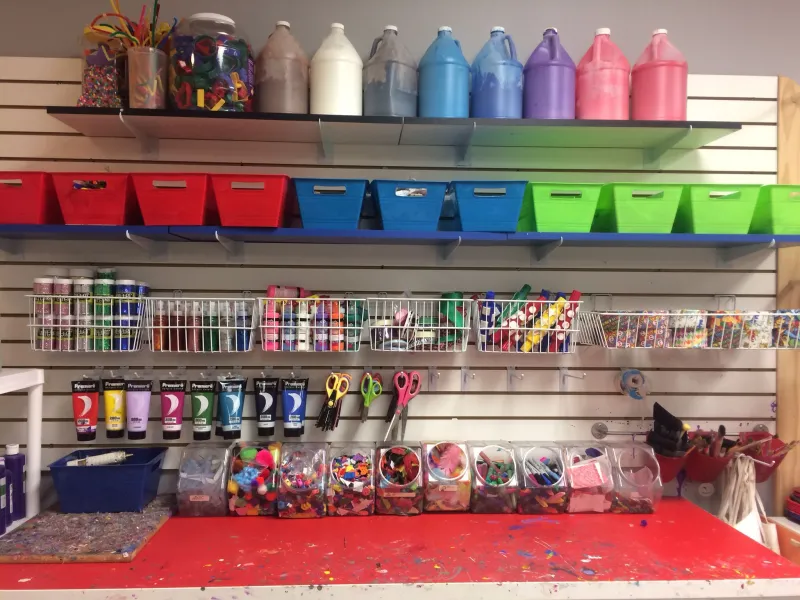
Photo: craft supply store shelves with glitter pigments and art materials, via i.pinimg.com
Ask any dedicated slime maker what separates a mediocre batch from one that goes viral, and they'll tell you the same thing: it's all about the ingredients. Sure, technique matters. But if you're working with bargain-bin glue and dollar-store glitter, there's only so far your creation is going to take you. In New York City — one of the most competitive slime communities in the country — knowing where to shop has become just as important as knowing how to mix.
We went deep into the five boroughs to find the shops, suppliers, and hidden corners of the city that serious slime makers rely on. Here's what we found.
The Glitter Hierarchy Is Real (and NYC Knows It)
If you've spent any time in slime circles, you've probably noticed that not all glitter is treated equally. There's craft-store glitter, and then there's the good stuff — ultra-fine holographic powders, chunky iridescent flakes, color-shifting pigments that look completely different depending on the light. The latter is what collectors and competition-level creators are hunting for.
In NYC, a handful of specialty art supply shops have quietly become go-to destinations for these premium pigments. Stores in the Garment District — historically known for supplying fabric designers and theatrical costume makers — have started stocking cosmetic-grade micas and fine-milled glitters that slime makers have claimed as their own. Shop owners in that stretch of Midtown Manhattan have noticed the shift.
"We used to sell mostly to fashion students and costume designers," said one longtime Garment District store manager who asked to remain unnamed. "Now half our glitter inventory goes to kids and parents making slime. They know their stuff, too — they'll ask specifically for particle size and light refraction. It's impressive."
The lesson here? Don't overlook shops that weren't originally built for the slime market. Some of the best finds are hiding in plain sight.
Brooklyn's DIY Scene Has a Secret Ingredient Underground
Brooklyn has long been the heartbeat of New York's maker culture, so it makes sense that some of the most interesting slime ingredient sourcing happens here. Independent craft shops scattered across neighborhoods like Williamsburg, Park Slope, and Crown Heights have started curating small but carefully chosen selections of slime-specific supplies — think borax alternatives, saline solutions, and contact lens solution brands that activate cleanly without leaving residue.
But the real finds come from knowing which shop owners to talk to. Many of these small business operators have connections to wholesale distributors that the average shopper would never know about. If you walk in, ask thoughtful questions, and show genuine enthusiasm, some of them will point you toward suppliers for foam beads, fishbowl slime add-ins, and even scented oils that aren't available on any retail shelf.
This kind of insider access has turned certain Brooklyn shops into something close to status symbols within the local slime community. Getting a recommendation from the right store owner is practically a badge of honor.
Queens: The Polymer Goldmine Nobody's Talking About
Here's a sourcing tip that most NYC slime guides completely overlook: Queens is quietly one of the best boroughs for finding specialty polymers and craft chemicals. The borough's dense network of international grocery stores, beauty supply shops, and small-batch chemical distributors means you can stumble across ingredients that would cost a fortune to order online — if you could even find them.
Liquid starch, certain types of PVA glue in bulk quantities, and specialty clays used for butter slime are all more accessible here than in Manhattan, often at significantly lower prices. Several slime creators who regularly sell at pop-up markets and craft fairs have quietly made Queens their primary sourcing ground, keeping the information close to their chests for competitive reasons.
"I don't tell everyone where I shop," laughed one teenage slime seller who vends at local NYC markets. "If everyone knew about my glue supplier, my textures wouldn't be special anymore."
That competitive secrecy is part of what makes the NYC slime scene so fascinating — and so intense.
Online vs. In-Person: Why Local Still Wins for Serious Makers
With Amazon, Etsy, and dedicated slime supply websites just a few clicks away, you might wonder why anyone bothers trekking across New York City for ingredients. The answer comes down to quality control and discovery.
Buying in person lets you feel the texture of foam beads before committing to a bulk order. You can smell a scented oil before it goes into a batch. You can hold a jar of pigment up to the light and see exactly how it shifts. These are things a product photo simply can't replicate, and experienced makers know that a single bad ingredient can ruin an entire batch — and potentially a reputation.
There's also the element of discovery. The best slime ingredients often aren't marketed as slime ingredients at all. They're theatrical makeup supplies, resin casting additives, or baking decorations that a creative maker recognized had crossover potential. That kind of discovery almost always happens in person, in a store you wandered into without a specific plan.
That said, online sourcing absolutely has its place. For consistent, high-volume supplies like clear PVA glue, activator solutions, and basic foam balls, reliable online retailers offer convenience and price advantages that are hard to beat. The smart approach is combining both: use online channels for staples, and reserve your in-person shopping energy for the rare, the unusual, and the genuinely special.
Rare Add-Ins: The New Status Symbols of the Slime World
Within the slime community, certain ingredients have taken on an almost mythological status. Vintage-style glass glitter (the kind originally made for Christmas ornaments) is one example — nearly impossible to find, deeply satisfying in texture, and immediately recognizable to anyone who knows what they're looking at. Thermochromic pigments that change color with heat are another coveted find, as are certain Japanese-imported foam clays that behave differently from anything available at a standard craft chain.
In NYC, the hunt for these ingredients has become a hobby unto itself. Slime makers trade tips on Discord servers and group chats, share photos of rare finds, and sometimes even trade ingredients with each other the way collectors trade cards. The ingredient itself becomes part of the story — and part of the value — of the finished product.
For parents helping their kids navigate this world, the takeaway is simple: encourage the hunt. The process of researching, sourcing, and experimenting with new ingredients is genuinely educational, building skills in chemistry, budgeting, and creative problem-solving. The fact that it's also incredibly fun is just a bonus.
Start Your Own Sourcing Journey
You don't have to know every secret supplier in the five boroughs to level up your slime game. Start by exploring your own neighborhood with fresh eyes — visit art supply stores, beauty supply shops, and even cooking supply retailers with an open mind. Ask questions. Talk to owners. Follow local slime creators on social media and pay attention when they drop hints about their sourcing.
New York City is one of the best places in the world to be a creative maker of any kind, and the slime community here is proof of that. The ingredients are out there. You just have to know how to look.