Slime Is More Than a Trend: The Real Reasons Kids Can't Get Enough of It
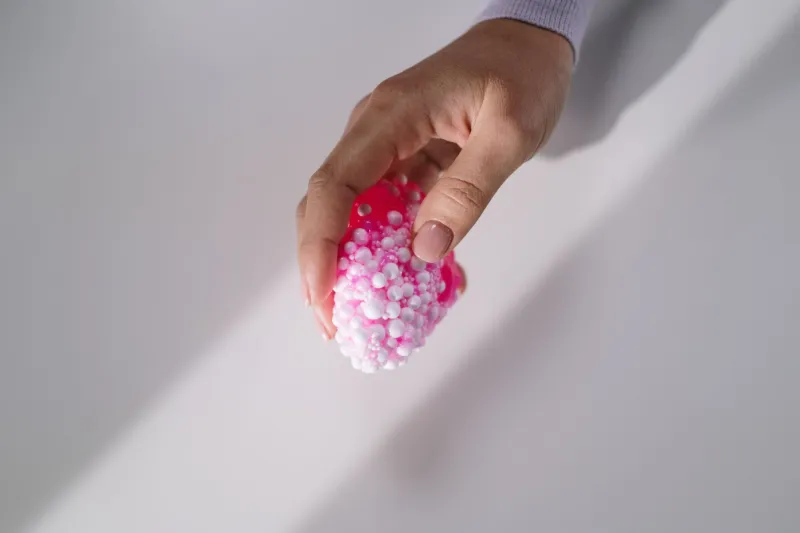
You've probably found glue bottles in the pantry, glitter on the kitchen counter, and mysterious containers of goo stashed in your kid's bedroom. If slime has taken over your household, welcome to the club. Millions of American families are living the same reality — and it turns out, there's a lot more going on beneath that stretchy, satisfying surface than you might expect.
Slime isn't just a messy hobby. According to child psychologists, occupational therapists, and sensory development researchers, the obsession kids have with slime is deeply rooted in how their brains and bodies are wired. And honestly? Once you understand the why, it's hard not to appreciate the whole thing a little more.
It All Starts With Sensory Feedback
Kids are sensory creatures. Their brains are constantly hungry for input — touch, sound, sight, smell — and slime delivers all of it in one satisfying package. Occupational therapists who work with children often refer to this as "sensory seeking," a natural drive that's especially strong during childhood and early adolescence.
"Slime hits multiple sensory channels at once," explains the kind of insight you'd hear from an OT working in a pediatric clinic. "The tactile feedback from squishing and stretching, the visual satisfaction of watching it move, sometimes even the sound it makes — it's a full sensory experience."
That texture — neither solid nor liquid — is actually a key part of the appeal. Slime is what scientists call a non-Newtonian fluid, meaning it behaves differently depending on how much pressure you apply. Squeeze it hard and it resists. Let it sit and it flows. For a kid's developing nervous system, that unpredictability is endlessly interesting.
The ASMR Connection Is Real
If you've ever stumbled onto a slime video on YouTube or TikTok and found yourself weirdly unable to stop watching, you've experienced the ASMR effect firsthand. ASMR — Autonomous Sensory Meridian Response — is that tingly, calming sensation some people get from certain sounds and visuals, and slime content is one of its biggest triggers.
The crunching of foam beads, the slow pour of glitter glue, the satisfying click of slime being poked — these sounds activate a relaxation response in the brain for many viewers. For kids, who are often more sensory-sensitive than adults, this effect can be particularly strong.
Slime content creators have built massive followings — some with tens of millions of subscribers — almost entirely on this phenomenon. Kids aren't just watching for entertainment. Many of them describe feeling calmer, less anxious, and even sleepy after watching slime videos. That's not an accident. It's neuroscience.
Stress Relief in a Jar
Here's something that might reframe the whole slime conversation for skeptical parents: slime functions as a legitimate stress management tool for a lot of kids.
Squeezing, stretching, and manipulating slime activates the parasympathetic nervous system — the part of your body responsible for the "rest and digest" response. It's similar to why adults might fidget with a stress ball or knead bread dough when they're anxious. The repetitive, rhythmic motion signals to the brain that everything is okay.
For kids navigating the pressures of school, social dynamics, and the general overwhelm of growing up in a fast-paced world, having a physical outlet matters. Child psychologists note that hands-on, tactile activities can be especially effective for kids who struggle to verbalize their emotions. Slime gives them something to do with the tension they're carrying.
This is part of why slime has found such a strong foothold in school sensory rooms and therapeutic settings across the country. It's not just a toy — it's a tool.
The Creative and Cognitive Payoff
Beyond stress relief, making slime from scratch is a surprisingly rich cognitive exercise. Kids who are mixing recipes are doing basic chemistry — combining polymers, activators, and various additives to achieve a specific result. They're learning cause and effect, experimenting with ratios, and problem-solving when a batch goes wrong (and it always goes wrong at least once).
There's also a strong creative dimension. Choosing colors, textures, and add-ins like foam beads, glitter, or charms is a genuine act of artistic expression. Kids who make slime regularly often develop a personal aesthetic — a signature style — that gives them a sense of identity and pride.
"When a child creates something with their hands and it turns out the way they imagined, that's a confidence-builder," is the kind of observation developmental specialists consistently share. "Slime-making gives kids an accessible entry point into making and creating, which has real cognitive benefits."
At events like those we host here at Slime Expo NYC, watching kids light up when their custom creation comes together is honestly one of the best parts of the job. That moment of "I made this" is powerful.
Social Currency and Community
Slime has also become a major social connector for kids and tweens. Trading slimes, gifting batches to friends, and sharing recipes are all part of a rich social ecosystem that's developed around the hobby. For many kids, slime is a conversation starter, a way to bond, and even a source of entrepreneurial pride — plenty of middle schoolers across the US have started small slime businesses, selling their creations to classmates or on platforms like Etsy.
The slime community online is enormous and largely positive, which is relatively rare in kids' digital spaces. Creators share tips, celebrate each other's recipes, and collaborate across age groups. For a kid who might not feel like they fit in elsewhere, finding "their people" in the slime community can be genuinely meaningful.
What Parents Should Actually Take Away
So what does all of this mean for you, the parent who is tired of finding glue on the carpet?
First, take a breath. The slime obsession your kid has is almost certainly doing more good than harm. It's sensory, it's creative, it's stress-relieving, and it's social. Those are wins.
Second, if you want to make slime-making work better in your home, set up a dedicated space — a plastic tablecloth, a designated bin of supplies — so the mess stays contained. Lean into it rather than fighting it.
And third, consider showing up to events where the slime community comes together in person. Watching your kid geek out over a new texture or swap recipes with a stranger is a reminder that this hobby, messy as it is, connects kids to something real.
Slime isn't going anywhere. And honestly, given everything it offers, that's probably a good thing.