Before the Goo Flies: A Parent's Complete Guide to Safe and Smart Slime Crafting

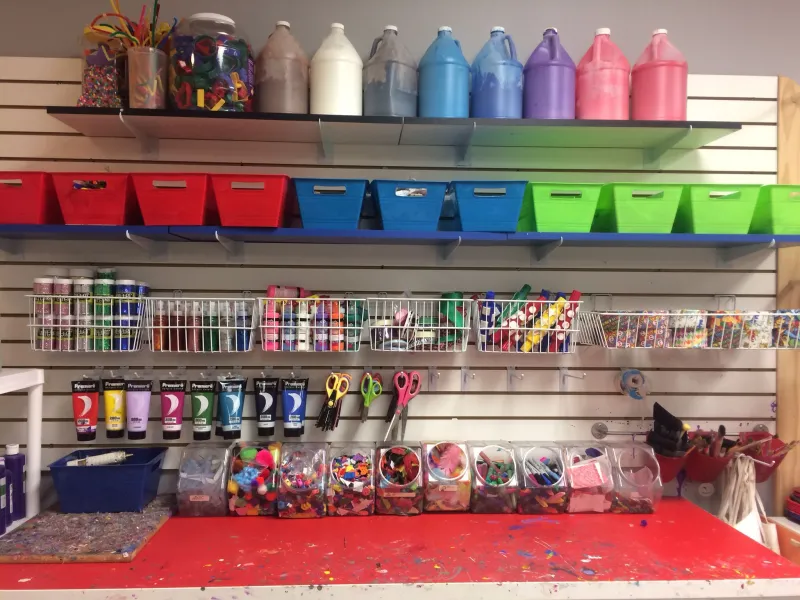
Photo: Stephen Armstrong , CC BY-SA 2.0, via Wikimedia Commons
If your kid has been begging to make slime at home, you're probably already familiar with that mix of excitement and mild panic. Slime is genuinely one of the most satisfying, creative, and sensory-rich activities kids can do — but as a parent, it's totally reasonable to have questions about what's actually going into that colorful, stretchy goo. The good news? With a little knowledge upfront, slime crafting can be a safe, joyful experience for the whole family.
At Slime Expo NYC, we're all about celebrating slime culture in a way that's responsible and inclusive — and that means making sure parents feel just as confident as their kids when it's time to mix up a batch.
The Ingredient Conversation: What's Actually in Slime?
Most basic slime recipes call for a combination of a glue base (usually white or clear PVA glue), a liquid activator, and water. The activator is where things get a little more nuanced. Traditionally, many recipes used borax — a naturally occurring mineral that's effective but can cause skin irritation, especially with prolonged or repeated contact.
The slime community has largely moved toward gentler alternatives, and for good reason. Today's most popular activators include:
- Contact lens solution (containing boric acid and sodium borate) paired with baking soda
- Saline solution — a milder option that works well for kids with sensitive skin
- Liquid starch — widely available and considered one of the gentler activator choices
- Slime activator kits from reputable craft brands, which are pre-formulated with safety in mind
None of these are completely without risk if misused, but when handled properly, they're considered safe for kids crafting under adult supervision. The key phrase there is under adult supervision — especially for children under 6.
Know Your Kid: Allergies and Skin Sensitivities
One of the most important things parents can do before a slime session is think through any known allergies or skin conditions their child has. This isn't about being overly cautious — it's just smart crafting.
Common concerns include:
- Latex sensitivity: Some craft gloves and certain glue products contain latex. If your child has a known latex allergy, double-check product labels before purchasing.
- Eczema or sensitive skin: Kids with eczema may find that even gentle activators cause flare-ups with extended contact. Limiting session length and rinsing hands thoroughly afterward can help significantly.
- Fragrance allergies: Scented slimes are incredibly popular right now — think strawberry, birthday cake, you name it. But added fragrances (especially synthetic ones) can be a trigger for some kids. Stick to unscented versions if your child reacts to perfumes or scented products.
- Food dye sensitivities: Some slime colorants use dyes that, while not meant for consumption, can cause contact reactions in sensitive individuals. Look for skin-safe colorants and cosmetic-grade glitters.
If you're buying pre-made slime or a kit rather than sourcing ingredients yourself, always check the product's ingredient list. Reputable brands will list everything clearly.
The Patch Test: Small Step, Big Peace of Mind
This one is so simple and so worth doing. Before your kid dives into a full slime session with a new recipe or new ingredients, do a quick patch test. Apply a small amount of the mixed slime (or just the activator) to the inside of their wrist or elbow, leave it for about 10 to 15 minutes, then rinse and wait. If there's no redness, itching, or irritation after an hour or so, you're good to go.
This is especially useful when trying out new activator brands or switching up glue types. It takes almost no time and can save a lot of discomfort.
Age-Appropriate Slime: Matching the Project to the Kid
Not every slime project is right for every age group, and that's completely okay. Here's a rough breakdown to help you choose wisely:
Ages 3–5: Stick to pre-made, non-toxic slimes designed specifically for toddlers. Look for products labeled as non-toxic and sensory-safe. Avoid anything with small beads, glitter, or add-ins that could become a choking hazard.
Ages 6–9: This is a great age to start simple DIY recipes with a parent right there in the mix — literally. Saline-based recipes are ideal. Keep sessions short (20–30 minutes) and make handwashing part of the routine.
Ages 10–13: Kids in this range can handle more complex recipes and begin to understand ingredient ratios. They can be taught to read labels, measure carefully, and clean up after themselves. Still worth checking in, but they're ready for more independence.
Ages 14+: Teens can experiment with more advanced techniques — cloud slime, butter slime, magnetic slime — and can start sourcing their own supplies with some guidance. This is also the age where many young crafters start sharing their creations online or even selling at events like Slime Expo NYC.
Setting Up a Safe Crafting Space
Where you make slime matters almost as much as what you put in it. A few setup tips that make a real difference:
- Cover your surfaces. A silicone mat or a sheet of parchment paper keeps activators off your countertops and makes cleanup way easier.
- Keep food and drinks away. Slime ingredients aren't food, and mixing environments is never a good idea.
- Ventilate the space. Open a window or turn on a fan, especially if you're using any spray-on glitter or scented add-ins.
- Have a dedicated slime kit. Use bowls and spoons that are only for slime — not for food prep. Label them clearly.
- Keep supplies out of reach when not in use. Activators especially should be stored up high and away from younger siblings.
Sourcing Ingredients You Can Trust
When it comes to buying slime supplies, quality really does matter. Generic, unbranded activators or glues from unknown online sellers can vary wildly in formulation. Whenever possible, choose products from established craft brands, or shop at retailers that specialize in slime and crafting supplies — places where the staff actually knows what they're selling.
At Slime Expo NYC events, vendors are vetted and products are labeled clearly, making it easier for parents to ask questions and make informed choices. If you're shopping online, look for products with full ingredient transparency and positive reviews from other parents.
When to Stop: Signs That Something's Not Right
Even with all the right precautions, reactions can happen. Watch for these signs during or after a slime session:
- Redness, rash, or hives on the hands or arms
- Persistent itching or burning sensation
- Eye irritation (especially after touching eyes with slime-covered hands)
- Complaints of stinging or discomfort
If any of these show up, wash the affected area thoroughly with soap and water, and take a break from slime until you can identify the potential trigger. For anything more serious, consult your pediatrician.
The Bottom Line
Slime crafting is one of those rare activities that's creative, educational, and genuinely fun — and with a little prep work, it can also be completely safe. The slime world has come a long way from the days of borax-heavy recipes, and there are now more skin-friendly, parent-approved options than ever before.
Do your homework on ingredients, set up a smart crafting space, and match the project to your child's age and sensitivities. After that? Let the goo fly. That's what we're all here for.